Cycling in Costa del Sol: Routes, Climbs and Where to Stay
Discover cycling in Costa del Sol, where sunny coastal roads meet demanding Andalusian climbs, traditional white villages and rewarding routes for road cyclists, gravel riders and relaxed holiday explorers.
Overview
The Costa del Sol may be famous for its beaches, golf courses and lively resorts, but turn your handlebars inland and a different side of southern Spain quickly appears. Behind the Mediterranean coast lies a network of twisting roads, steep mountain passes and traditional pueblos blancos, making the region an exciting base for a Costa del Sol cycling holiday.
Málaga, Torremolinos, Benalmádena, Fuengirola, Mijas, Marbella, Estepona and Nerja all provide possible starting points. Each resort offers a slightly different riding experience. Málaga combines city attractions with rapid access to the Montes de Málaga, while Marbella and Estepona put riders within reach of the Sierra de las Nieves. Nerja is well placed for exploring the quieter roads and rugged landscapes of the Axarquía.
The coast provides gentler riding, café stops and Mediterranean views. Head inland, however, and elevation arrives quickly. Climbs towards Mijas Pueblo, Ojén, El Burgo, Yunquera, Frigiliana and the Montes de Málaga can transform an easy morning spin into a serious climbing day.
Road cyclists will find the greatest variety, but this is not exclusively a road cycling destination. Málaga Province is developing an extensive network of mountain bike and gravel itineraries. The Gran Senda de Málaga Ciclable alone encompasses more than 40 routes and nearly 900 kilometres through 61 municipalities. Gran Senda de Málaga
For British cyclists, the combination of frequent flights, abundant accommodation and a climate suited to spring, autumn and winter riding makes the Costa del Sol particularly appealing. Choose a cycling-friendly hotel in Costa del Sol, hire a bike locally or bring your own, then build your holiday around coastal recovery rides, mountain challenges and well-earned evenings beside the sea.
Velostrive tip: Málaga is an excellent all-round base, while Marbella, Estepona and Nerja suit cyclists who want quieter roads and immediate access to distinctive inland landscapes.
Looking for a Cycling-Friendly Hotel in Costa del Sol?
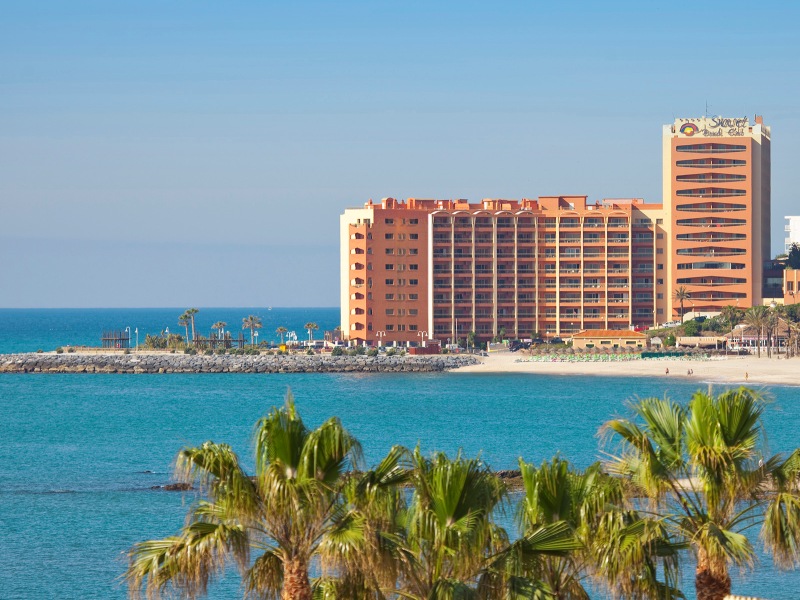
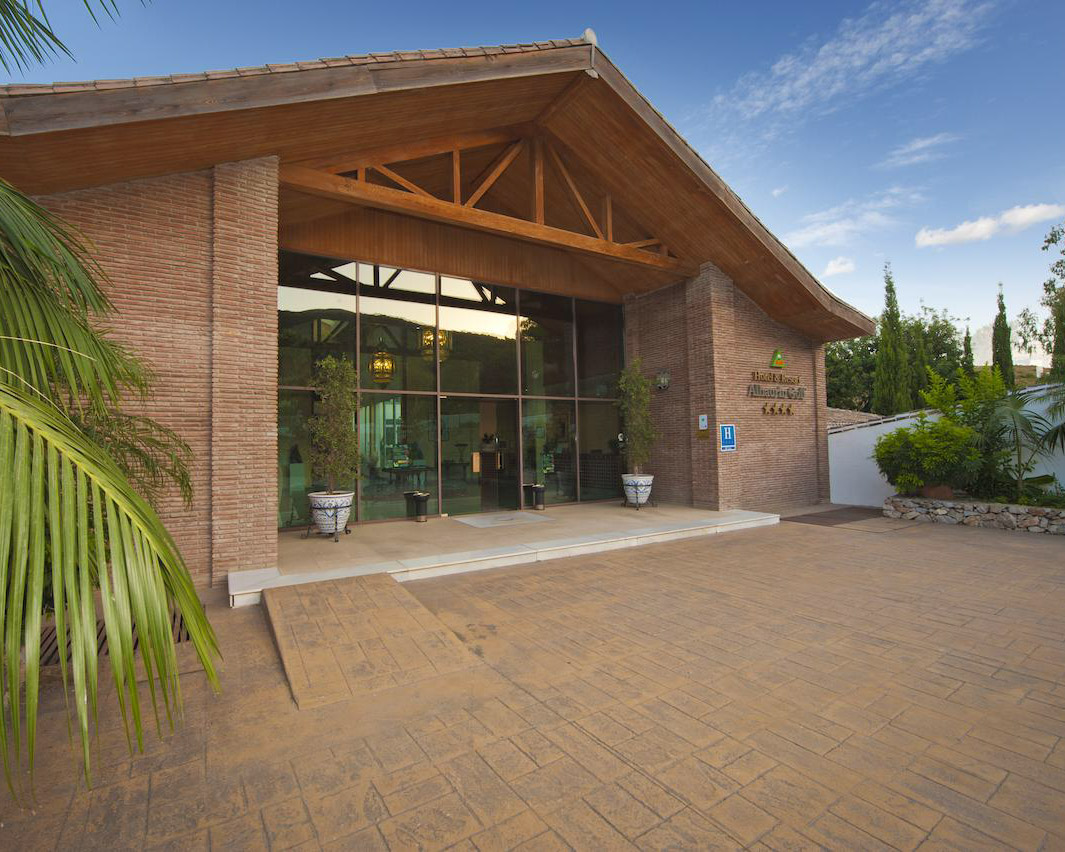
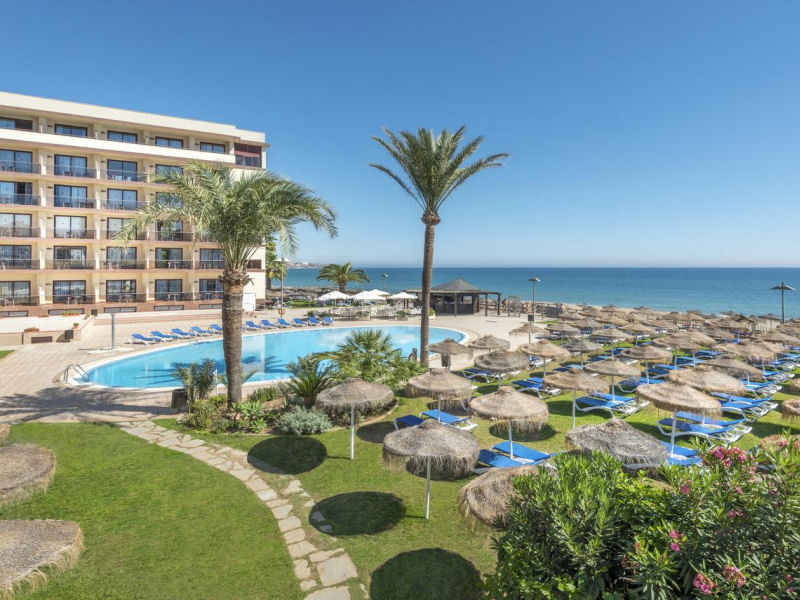
Stay close to the region's best climbs, scenic cycling routes and popular Strava segments. Compare carefully selected cycling-friendly hotels, chosen for their location, cyclist facilities and easy access to the area's most iconic rides.
Spain
Mainland Spain
Málaga-Costa del Sol Airport (AGP)
Approx. 8 miles from Málaga, 32 miles from Marbella
Why Cycle Here?
Coastal rides and serious climbs in one holiday
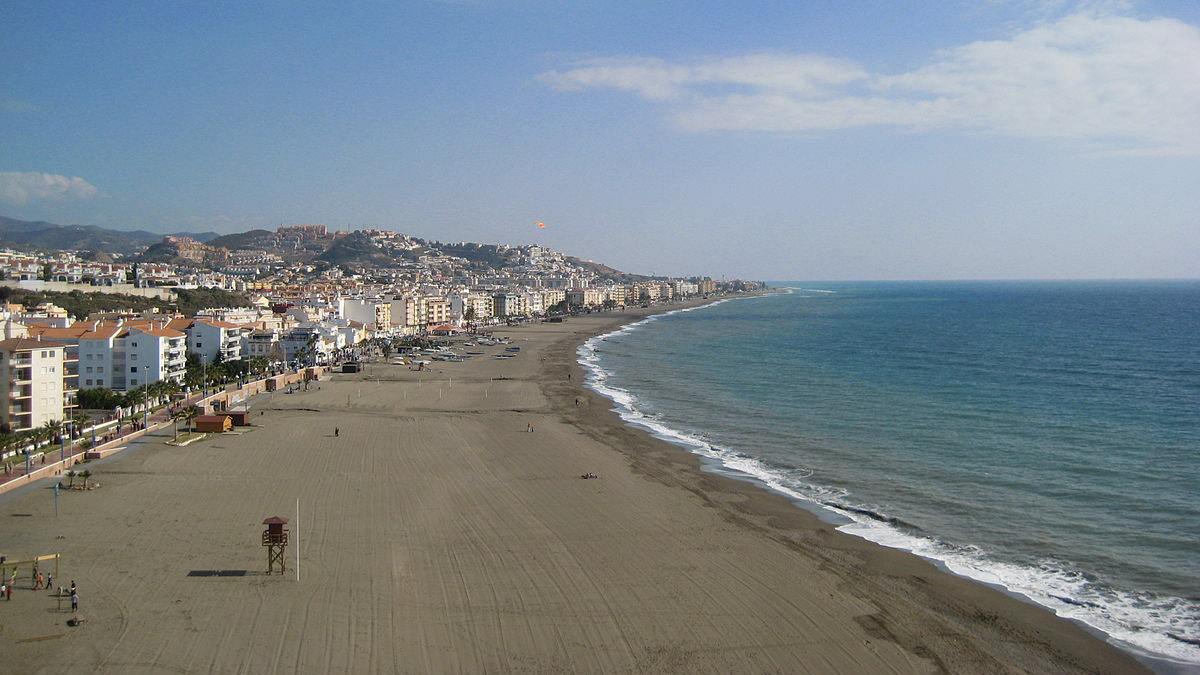
The Costa del Sol offers an unusually broad choice of terrain. Riders can enjoy a relatively relaxed Mediterranean spin one day, then climb deep into the Andalusian hills the next. Routes east of Málaga towards Rincón de la Victoria and Torre del Mar offer extended sections of flatter coastal riding, although cyclists should expect a mixture of cycle lanes, shared roads and promenades rather than one uninterrupted cycle path.
Mountains begin close to the resorts
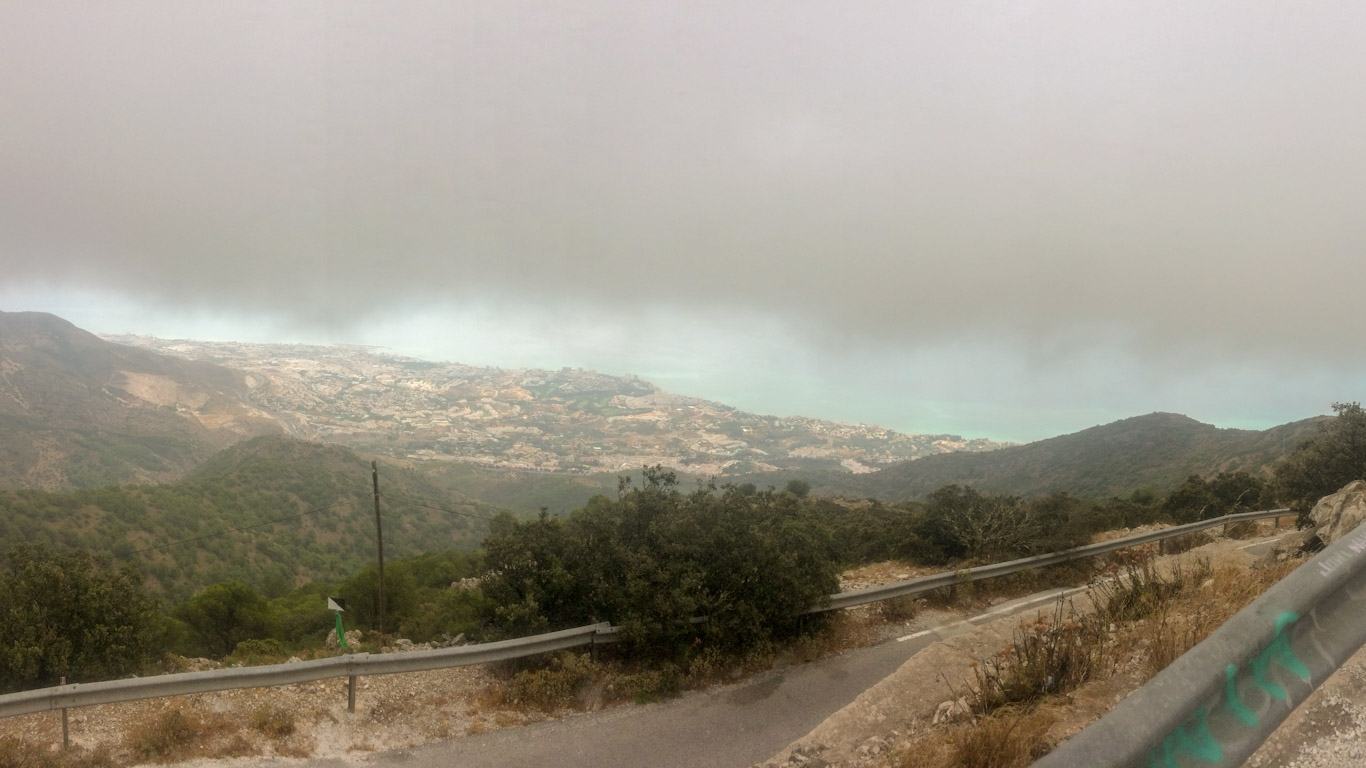
There is little need for a lengthy transfer before the climbing starts. From Málaga, riders can head directly into the Montes de Málaga. From Benalmádena and Fuengirola, the road to Mijas Pueblo provides a popular test. Marbella opens the way towards Ojén, Istán and the Sierra de las Nieves.
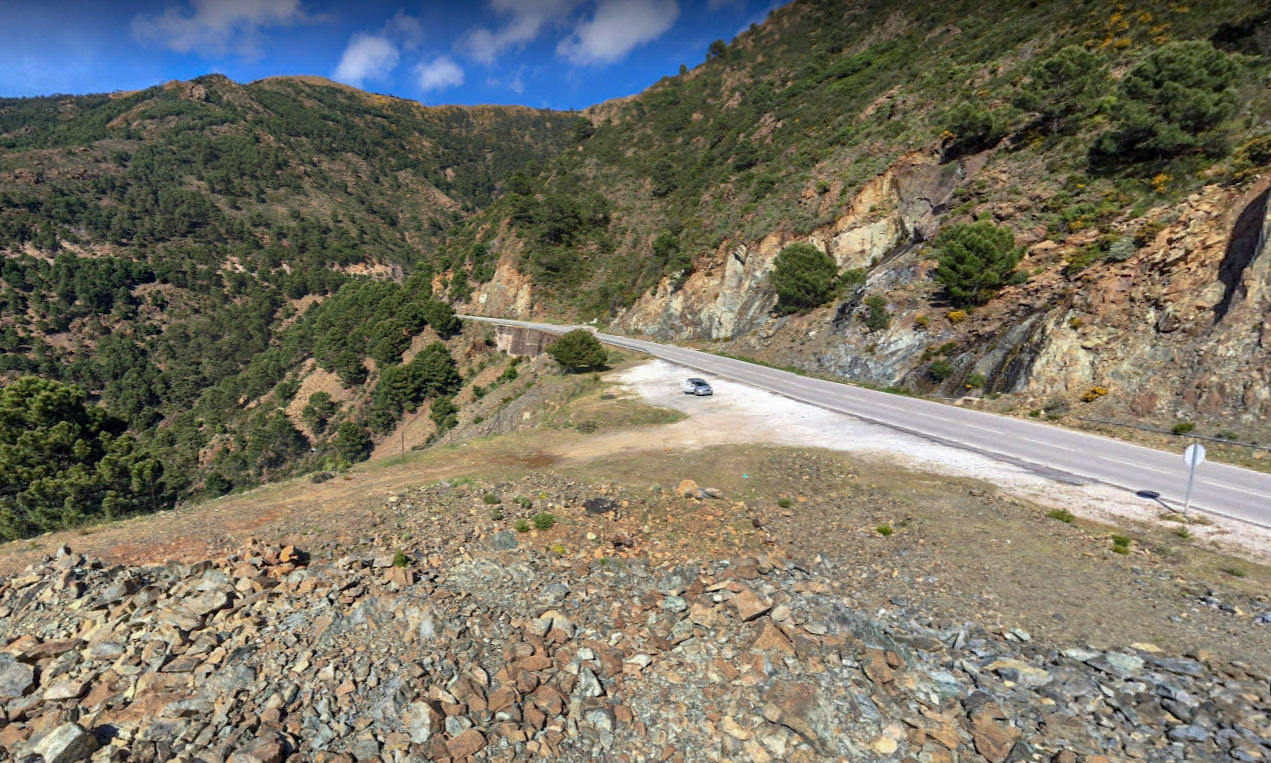
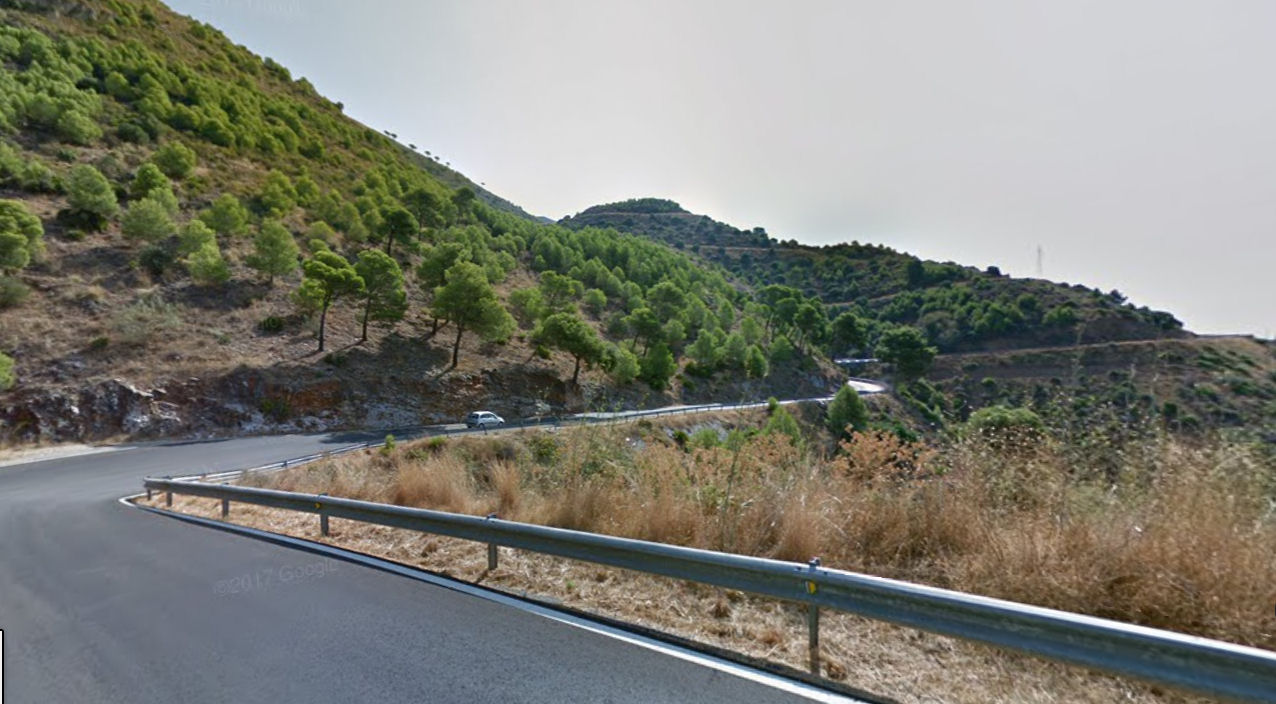
The climbing is often irregular, with sharp ramps, switchbacks and exposed stretches. That makes the area rewarding for confident cyclists preparing for a sportive or simply hoping to add memorable elevation to their holiday.
Riding for different abilities
Experienced road cyclists can plan long mountain loops, but recreational riders are not excluded. Seafront routes, guided leisure tours, e-bike hire and shorter rides between resorts provide more accessible options. Families and mixed-ability groups can combine cycling with beaches, historic centres and other Costa del Sol activities.
A growing cycling destination
Málaga Province has a developing cycling-tourism scene, including route networks, bike-hire companies, guided tours and cycling accommodation. The provincial cycling network allows routes to be filtered by type, environment and difficulty, helping visitors choose rides suited to their experience.
Easy to combine cycling and a holiday
This is one of the Costa del Sol’s strongest advantages. A cyclist can ride before breakfast or spend a full day in the mountains, while non-cycling partners enjoy beaches, shopping, sightseeing and resort facilities. That flexibility makes it suitable for solo riders, cycling mates, couples and families.
Popular Costa del Sol Cycling Areas
Málaga and the Montes de Málaga
Málaga works particularly well for riders who want culture, restaurants and transport connections alongside their cycling. The Montes de Málaga rise immediately north of the city, offering forested roads, changing gradients and elevated views.
Mijas and Benalmádena
The climb from the coast towards Mijas Pueblo is a natural target for cyclists staying around Fuengirola or Benalmádena. Expect a sustained ascent, attractive views and a traditional village that makes an excellent coffee stop.
Marbella, Ojén and Istán
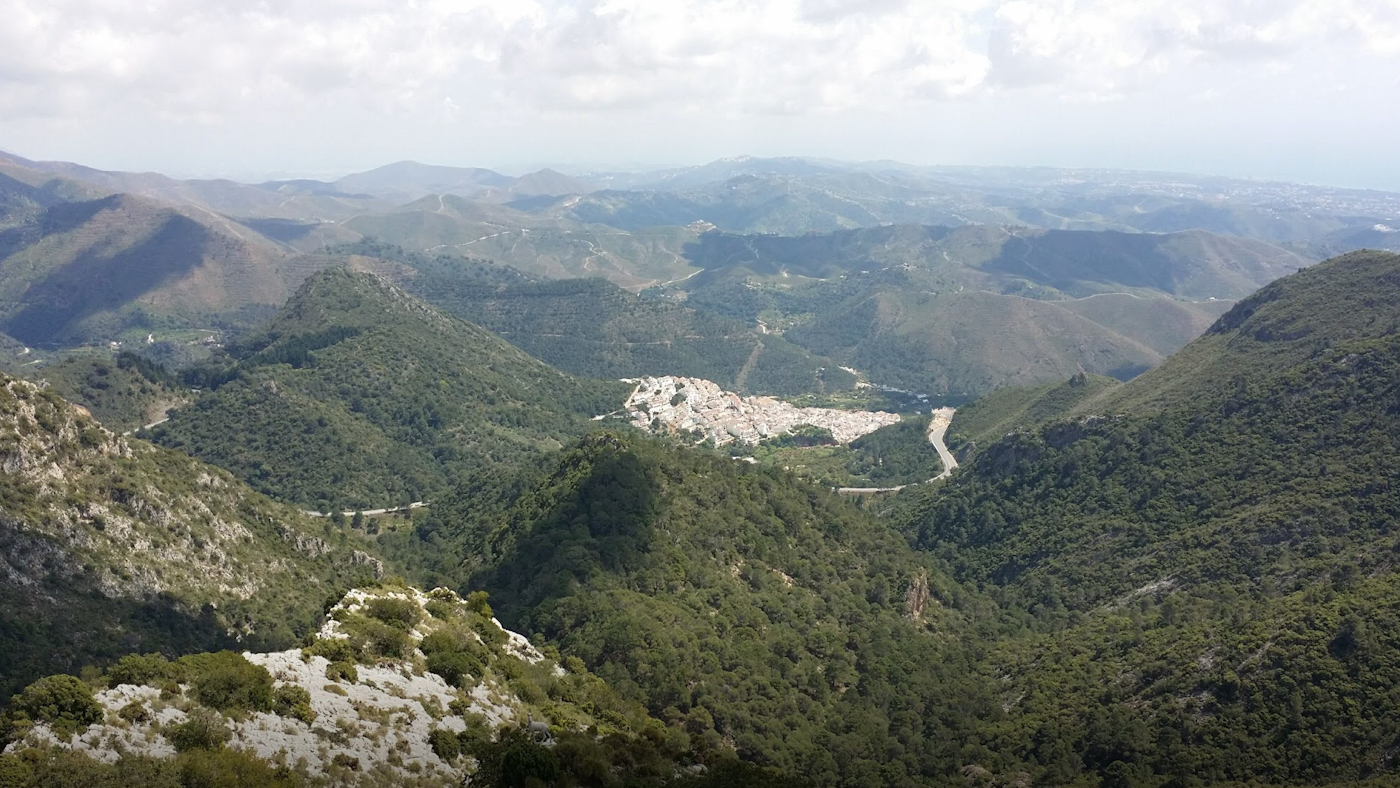
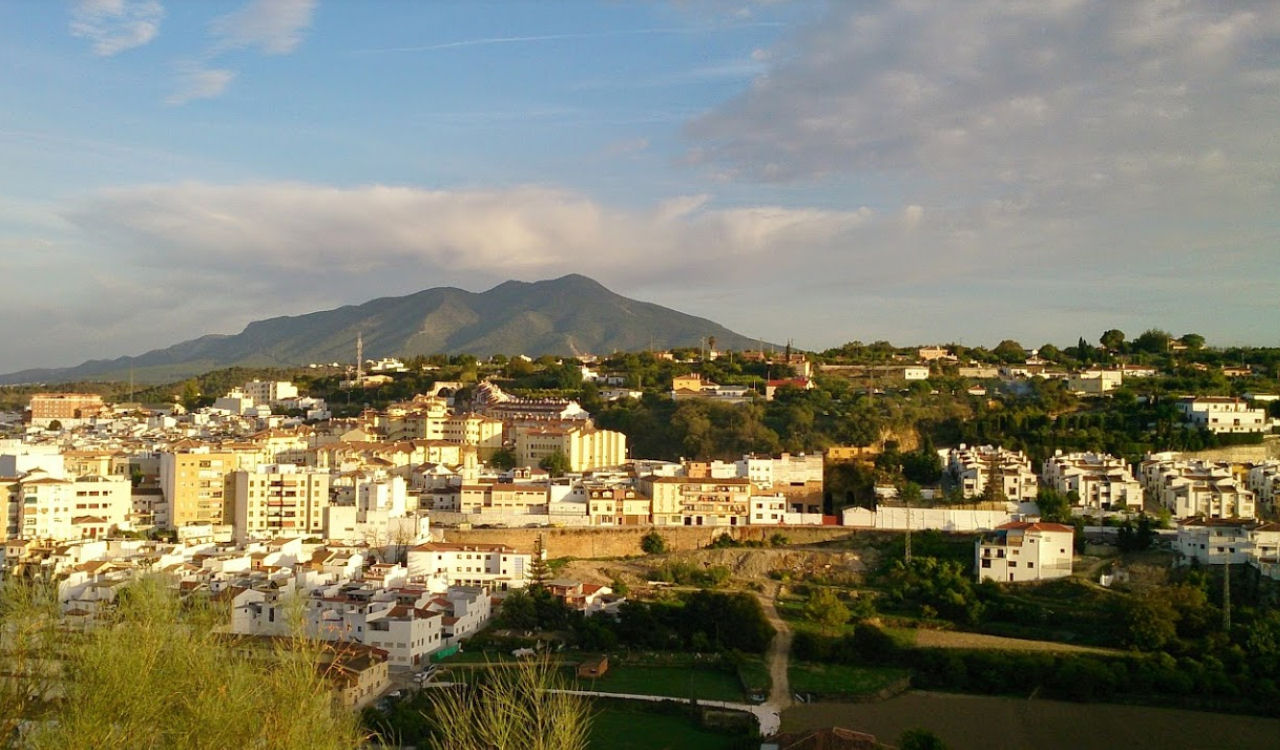
Marbella is more than a glamorous beach resort. Routes towards Ojén and Istán quickly leave the busy coast behind, revealing mountain scenery, reservoirs and whitewashed villages. Longer rides can continue towards the Sierra de las Nieves.
Estepona and Sierra Bermeja
Estepona offers access to tougher inland terrain, including roads around Sierra Bermeja. Gradients and heat can make these routes demanding, so they are best approached with suitable gearing, plenty of water and careful planning.
Nerja, Frigiliana and the Axarquía
The eastern Costa del Sol is excellent for riders seeking quieter roads and dramatic landscapes. Frigiliana is a natural climbing objective from Nerja, while stronger cyclists can venture further into the Axarquía’s rolling and mountainous interior.
Best Time to Visit
The best periods for a Costa del Sol cycling holiday are usually March to June and September to November. Spring brings comfortable riding temperatures, longer days and greener inland scenery. Autumn combines warm conditions with roads that are generally quieter than during the peak summer holiday period.
Winter can also be attractive, particularly for British cyclists hoping to escape cold and dark conditions at home. Coastal temperatures are often mild, although mountain roads can feel considerably cooler and unsettled weather remains possible.
July and August are typically hot, dry and busy. Summer cycling is still possible, but longer or hillier rides should begin shortly after sunrise. Avoid the hottest part of the day, carry more water than usual and check for heat or fire warnings before entering remote areas.
Málaga’s climate is mild in winter, while rainfall is concentrated mainly between November and March. Summer is generally very dry.
Cycling Tips
-
Choose your resort carefully: Málaga suits cyclists seeking variety and easy transfers. Marbella and Estepona offer access to western mountain routes, while Nerja is ideal for the Axarquía.
-
Fit climbing-friendly gears: Inland gradients can be steeper and less consistent than the average figures suggest. A compact chainset with a generous cassette is sensible for most recreational riders.
-
Start early: Morning departures provide cooler temperatures, calmer roads and more time to handle an unexpected puncture or navigation error.
-
Carry two bottles: Water fountains and shops become less frequent once you leave the coast. Take food, electrolytes and a small repair kit on longer mountain rides.
-
Download the route: Mobile reception can vary inland. Save your GPX file and map before leaving the hotel.
-
Check road conditions: Heavy rain can affect mountain surfaces, while extreme summer heat may lead to restrictions or wildfire risks.
-
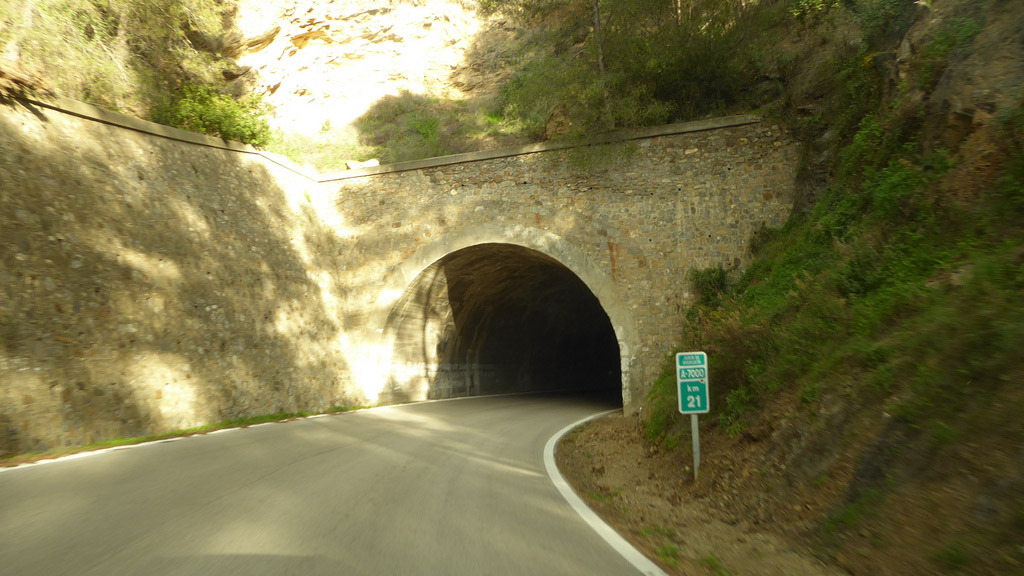
Use front and rear lights: Tunnels, shade, fast-changing light and busy approaches to resorts make daytime lights worthwhile.
-
Respect promenade rules: Some seafront sections are shared with pedestrians or subject to cycling restrictions. Slow down and use the road or marked cycle lane where required.
-
Confirm hotel bike facilities: Before booking, check for secure storage, bike-room access, washing facilities, early breakfast and permission to keep a bicycle in your room.
-
Check airline policies: Bicycle carriage rules, fees and packaging requirements differ between airlines. Reserve bike space before travelling.
How to Get There
Málaga-Costa del Sol Airport (AGP) is the principal gateway and receives direct flights from numerous UK airports. Málaga city centre is approximately 8 miles away, while Marbella is around 32 miles from the airport.
The C1 commuter train links the airport with Málaga, Torremolinos, Benalmádena and Fuengirola. Marbella and Estepona are not served by this rail line, so visitors normally use a coach, taxi, private transfer or hire car.
Cyclists travelling with a bike box should confirm luggage space before booking a transfer. A private vehicle or pre-arranged cycling transfer can be easier than relying on a standard taxi during busy periods.
Málaga is also connected to Madrid and other Spanish cities by high-speed rail. This offers another option for cyclists combining the Costa del Sol with a longer Spanish journey.
Top Cycling Routes in Costa del Sol

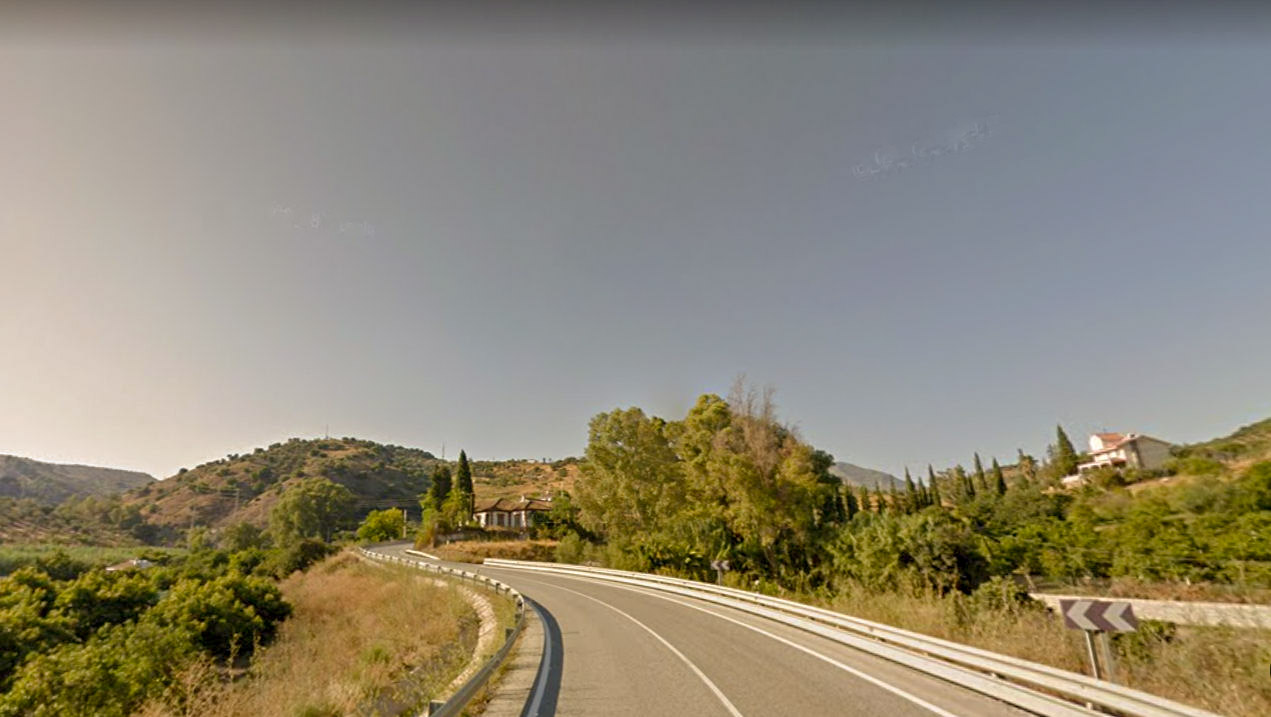
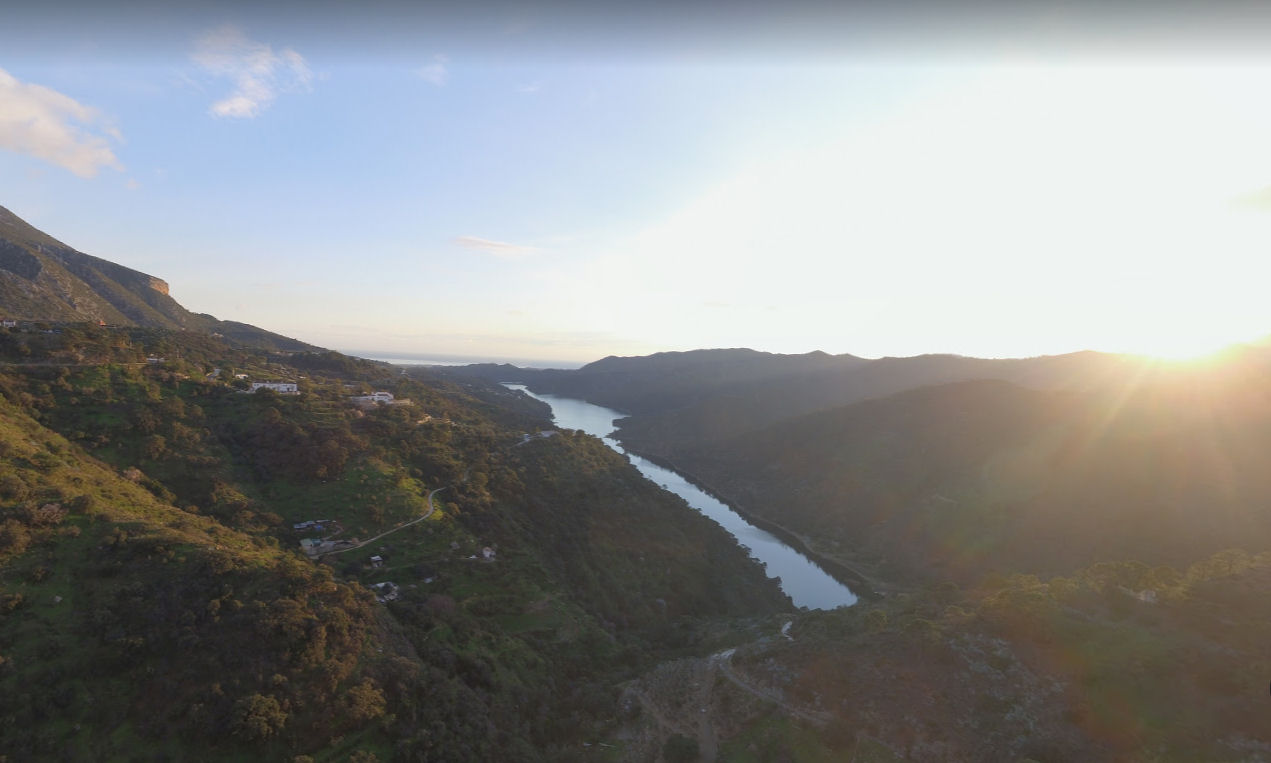
Iconic Strava Climbs in Costa del Sol
Cycling Friendly Hotels in Costa del Sol
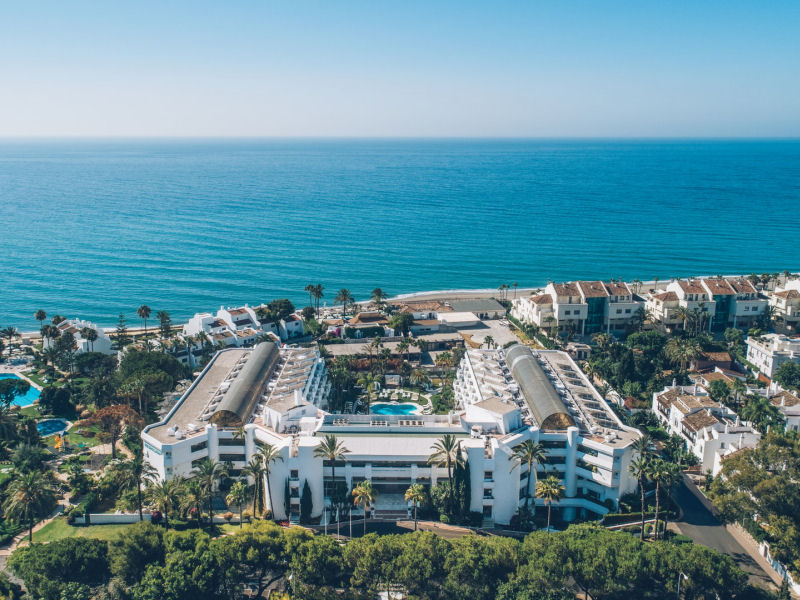
Where is Costa del Sol?
More Cycling Destinations


Why Trust Velostrive?
At Velostrive, we're passionate about helping cyclists discover the world's best places to ride. Our destination guides are written specifically for road cyclists and combine practical travel advice with carefully selected cycling-friendly hotels, iconic cycling routes and famous Strava segments.
Rather than simply listing destinations, we connect everything you need to plan your next cycling holiday in one place, from where to stay and what to ride, to the best time of year to visit. Every guide is reviewed and updated regularly, making Velostrive a trusted resource for cyclists planning their next adventure.
Plan Your Next Cycling Adventure
Whether you're looking for sunshine, legendary mountain climbs or relaxed coastal rides, Velostrive makes it easy to compare destinations, discover cycling-friendly accommodation and explore some of Europe's most iconic cycling routes.
Discover more destinations, compare cycling-friendly hotels and plan unforgettable cycling holidays with Velostrive.